
Aufsteiger
Beiträge: 35
Registriert: Fr 11. Jun 2021, 12:50
 Mo 14. Jun 2021, 09:57
U.S. Inflation Is Highest in 13 Years as Prices Surge 5%
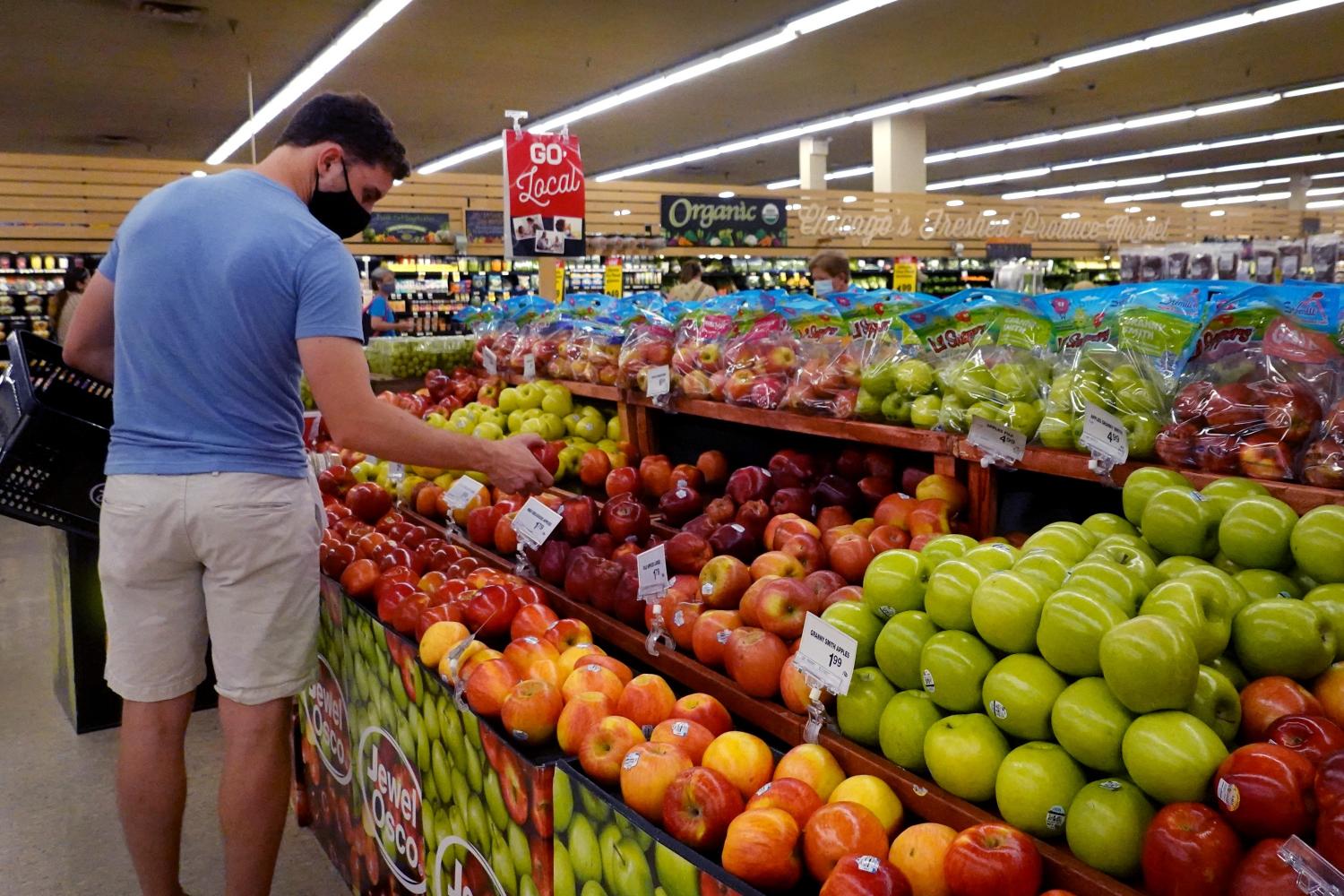
The U.S. economy's rebound from the pandemic is driving the biggest surge in inflation in nearly 13 years, with consumer prices rising in May by 5% from a year ago.
The Labor Department said last month's increase ทดลองเล่นสล็อตฟรีทุกค่าย in the consumer-price index was the largest since August 2008, when the reading rose 5.4%. The core-price index, which excludes the often-volatile categories of food and energy, jumped 3.8% in May from the year before -- the largest increase for that reading since June 1992.
Consumers are seeing higher prices for many of their purchases, particularly big-ticket items such as vehicles. Prices for used cars and trucks leapt 7.3% from the previous month, driving one-third of the rise in the overall index. The indexes for furniture, airline fares and apparel also rose sharply in May.
A separate reading showed the U.S. labor market continued to heal from the pandemic, with initial claims for unemployment benefits falling to another pandemic low.
May's jump in prices extends a trend that accelerated this spring amid widespread Covid-19 vaccinations, relaxed business restrictions, trillions of dollars in federal pandemic relief programs and ample household savings -- all of which have stoked demand for Americans to spend and travel more.
Overall prices jumped at a 9.7% annualized rate over the three months ended in May. On a month-to-month basis, overall prices rose a seasonally adjusted 0.6% and core prices rose 0.7%.
The annual inflation measurements are being boosted by comparisons with figures from last year during pandemic-related lockdowns, when prices plummeted because of collapsing demand for many goods and services. This so-called base effect is expected to push up inflation readings significantly in May and June, dwindling into the fall.
Compared with two years ago, overall prices rose a more muted 2.5% in May.
Gus Faucher, chief economist at PNC Financial Services Group, said that sharp rises continue to be concentrated in parts of the economy that were most whipsawed by the pandemic -- in prices for used cars, airfares and hotel stays, for example.
"That suggests that this is part of the dislocation from the reopening, and I would expect that inflation will settle down later this year," Mr. Faucher said. "When you take a step back and look broadly at inflation throughout the economy, there are lots of areas where prices move very slowly, and it's going to take a lot to get a sustained acceleration beyond these temporary factors."
Prices for new vehicles have soared because of a computer-chip shortage that has crimped car production. That, in turn, has bolstered prices for used autos.
Rental-car prices have soared because companies sold their fleets when demand collapsed along with travel during the pandemic. Airfares and hotel-room rates are rebounding as consumers start traveling again.
Policy makers are watching May's reading to gauge the magnitude of what many expect to be several months of stronger inflation after a year of very weak price pressures during the worst of the pandemic.
Whether the pickup in inflation proves temporary is a key question for the U.S. economy and financial markets as the Biden administration, Congress and the Federal Reserve continue to support the economy with fiscal and monetary policy measures.
The Fed expects the inflation rate to rise temporarily this year. A sustained, large increase in inflation could compel the central bank to tighten its easy-money policies earlier than it had planned, or to react more aggressively later, to achieve its 2% average inflation goal.
More companies also have started passing on to consumers the higher costs they are facing for raw materials and wages.
Food makers said their costs are climbing at an alarming rate, prompting them to raise some prices.
"The inflation pressure we're seeing is significant," General Mills Inc. Chief Executive Jeff Harmening said at a recent investor conference. "It's probably higher than we've seen in the last decade."
He and his peers point to transportation, commodity and labor costs all increasing at the same time. They expect the trend to continue for at least the rest of this year. As a result, General Mills, Campbell Soup Co., Unilever PLC, J.M. Smucker Co. and other big food companies are raising prices. Some increases are already visible on supermarket shelves, and more are coming this summer.
The upswing in prices reflects robust consumer demand, the main driver of the economic rebound. U.S. gross domestic product rose 6.4% at a seasonally adjusted annual rate in the first quarter.
Economists surveyed by the Journal in April forecast the economy to grow at an 8.1% annual rate in the second quarter, leaving it poised for its best year si