
Massenschreiber
Beiträge: 173
Registriert: So 27. Dez 2020, 12:02
 Di 27. Apr 2021, 10:09
Appraisal Industry Seeks To Improve Diversity And Inclusion
Appraisal Industry Seeks To Improve Diversity And Inclusion In The Profession
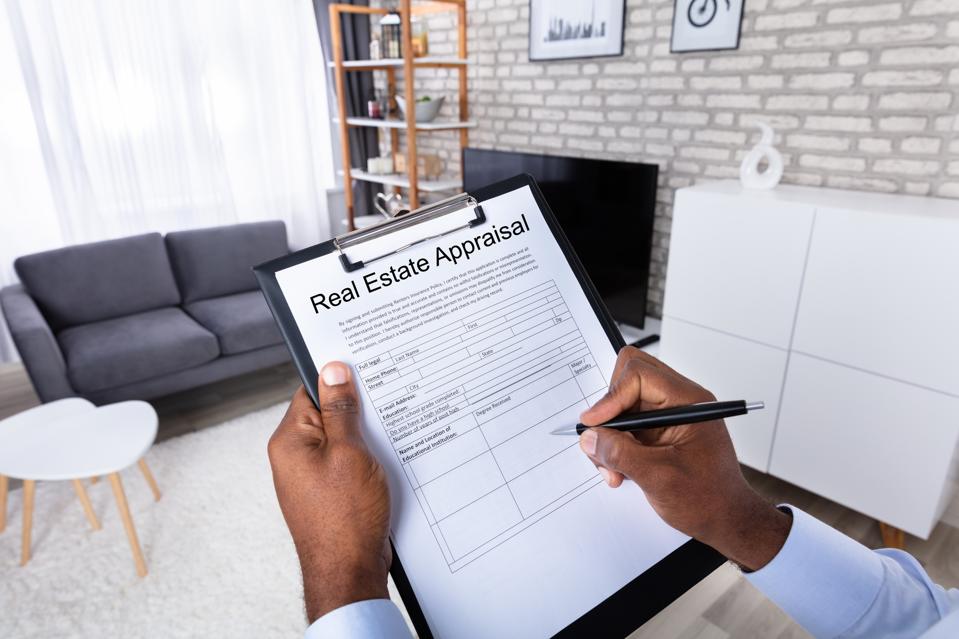
The coronavirus pandemic has drawn widespread attention to existing inequalities in American society, including the racial wealth gap in real estate. As a result, a push to reimagine the appraisal process through a lens of equity and justice is taking on fresh urgency within the appraisal community.
An appraisal plays a crucial role in buying, selling or refinancing a home, determining for the seller, buyer and lender how much a home is worth. Deeply ingrained business practices that guided undervaluing homes in majority-Black communities are under a microscope as the industry re-evaluates its organizational culture.
From initiatives to advance representation, training and education for its membership to partnering with elected officials to bolster fair housing programs and developing solutions to mortgage credit problems, the appraisal profession is looking to up its game in training on unconscious bias, updating its ethics standards and beefing up diversity in its hiring practices.
“We really want to bring around some positive change,” said Rodman Schley, president of the Appraisal Institute. “That includes improving diversity within our profession.”
Working primarily with Fannie Mae and the National Urban League’s regional Entrepreneurship Centers and other community partners, such as the Appraisal Foundation and the American Society of Appraisers, the Appraisal Institute is focusing on initiatives that will make the profession more inclusive and representative of the general population.
And in an world where homeownership remains strongly linked to generational wealth building, a diverse real estate workforce matters. Decades of discrimination in housing have limited Black Americans’ access to homeownership, creating long-lasting and wide disparities in homeownership rates.
The Appraisal Institute is also working with policymakers on how to bolster fair housing programs and develop solutions to lending, underwriting and valuation challenges.
On April 20, the House Financial Services Committee approved HR 2553, the Real Estate Valuation Fairness and Improvement Act, legislation that would establish an interagency task force to analyze federal collateral underwriting standards and guidance, and provide resources for promoting diversity within the valuation profession.
The Appraisal Institute also encourages the development of increased flexibility for mortgage underwriting criteria, as proposed by the legislation. That could include alternative borrower underwriting beyond traditional credit scoring and risk modeling, and expanding the ability for appraisers to research sales transactions farther back in time in underserved markets.
Read More : slot
The coronavirus pandemic has drawn widespread attention to existing inequalities in American society, including the racial wealth gap in real estate. As a result, a push to reimagine the appraisal process through a lens of equity and justice is taking on fresh urgency within the appraisal community.
An appraisal plays a crucial role in buying, selling or refinancing a home, determining for the seller, buyer and lender how much a home is worth. Deeply ingrained business practices that guided undervaluing homes in majority-Black communities are under a microscope as the industry re-evaluates its organizational culture.
From initiatives to advance representation, training and education for its membership to partnering with elected officials to bolster fair housing programs and developing solutions to mortgage credit problems, the appraisal profession is looking to up its game in training on unconscious bias, updating its ethics standards and beefing up diversity in its hiring practices.
“We really want to bring around some positive change,” said Rodman Schley, president of the Appraisal Institute. “That includes improving diversity within our profession.”
Working primarily with Fannie Mae and the National Urban League’s regional Entrepreneurship Centers and other community partners, such as the Appraisal Foundation and the American Society of Appraisers, the Appraisal Institute is focusing on initiatives that will make the profession more inclusive and representative of the general population.
And in an world where homeownership remains strongly linked to generational wealth building, a diverse real estate workforce matters. Decades of discrimination in housing have limited Black Americans’ access to homeownership, creating long-lasting and wide disparities in homeownership rates.
The Appraisal Institute is also working with policymakers on how to bolster fair housing programs and develop solutions to lending, underwriting and valuation challenges.
On April 20, the House Financial Services Committee approved HR 2553, the Real Estate Valuation Fairness and Improvement Act, legislation that would establish an interagency task force to analyze federal collateral underwriting standards and guidance, and provide resources for promoting diversity within the valuation profession.
The Appraisal Institute also encourages the development of increased flexibility for mortgage underwriting criteria, as proposed by the legislation. That could include alternative borrower underwriting beyond traditional credit scoring and risk modeling, and expanding the ability for appraisers to research sales transactions farther back in time in underserved markets.
Read More : slot